
Surgery
@ The Neighbourhood Vet - Tewantin

Surgical Care From Start to Finish
Pre-Op Assessment
Dedicated Monitoring
Post-Op Support
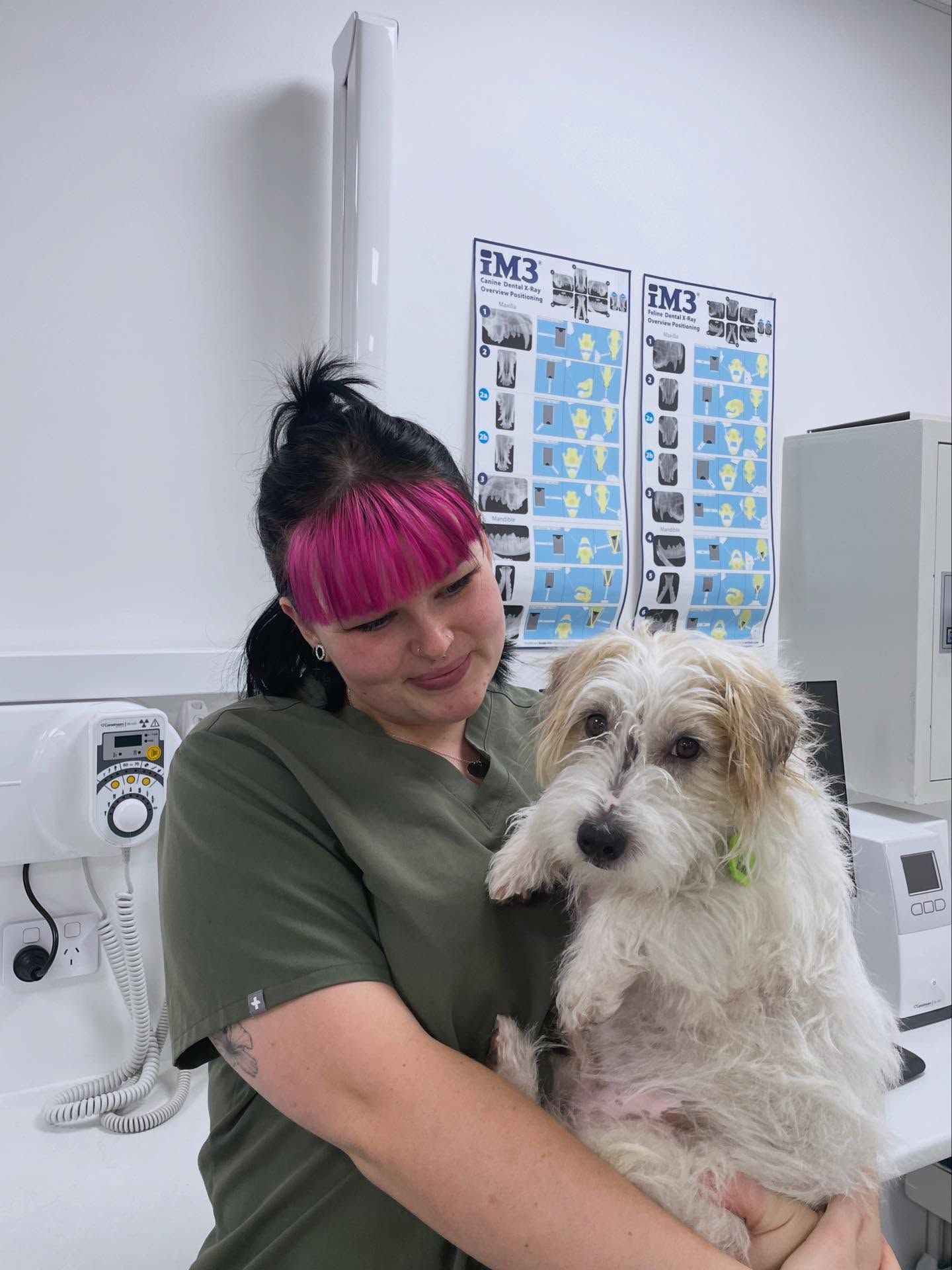
Pet surgery can feel daunting, but from the moment your pet arrives at The Neighbourhood Vet, they are in capable hands. Every surgical patient goes through a thorough pre-operative assessment before anything else, allowing us to understand their current health status, identify any risks and tailor our anaesthetic approach accordingly.
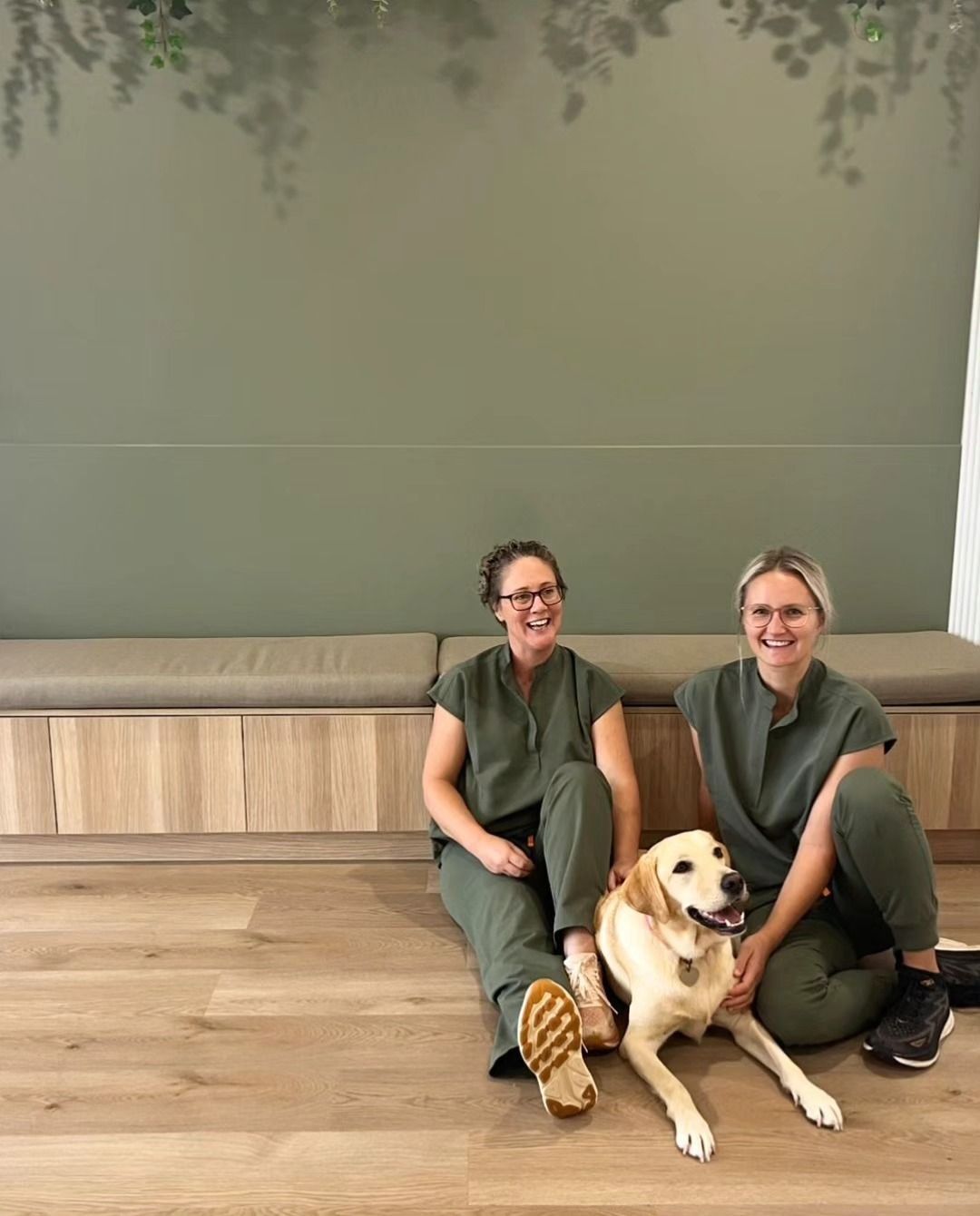
Our routine procedures include desexing, lump removals and wound repairs, while our surgical capability extends to more complex soft tissue and orthopaedic cases, including with the support of Dr. Ross McGregor, a Fellow of the Australian and New Zealand College of Veterinary Scientists in Surgery. Throughout every procedure, your pet receives dedicated anaesthetic monitoring by our nursing team. We don't rush for the sake of efficiency — we move carefully, with your pet's safety and comfort as the priority at every stage.
To discuss pet surgery in Tewantin, get in touch with our team on
Post-Operative Care & Recovery
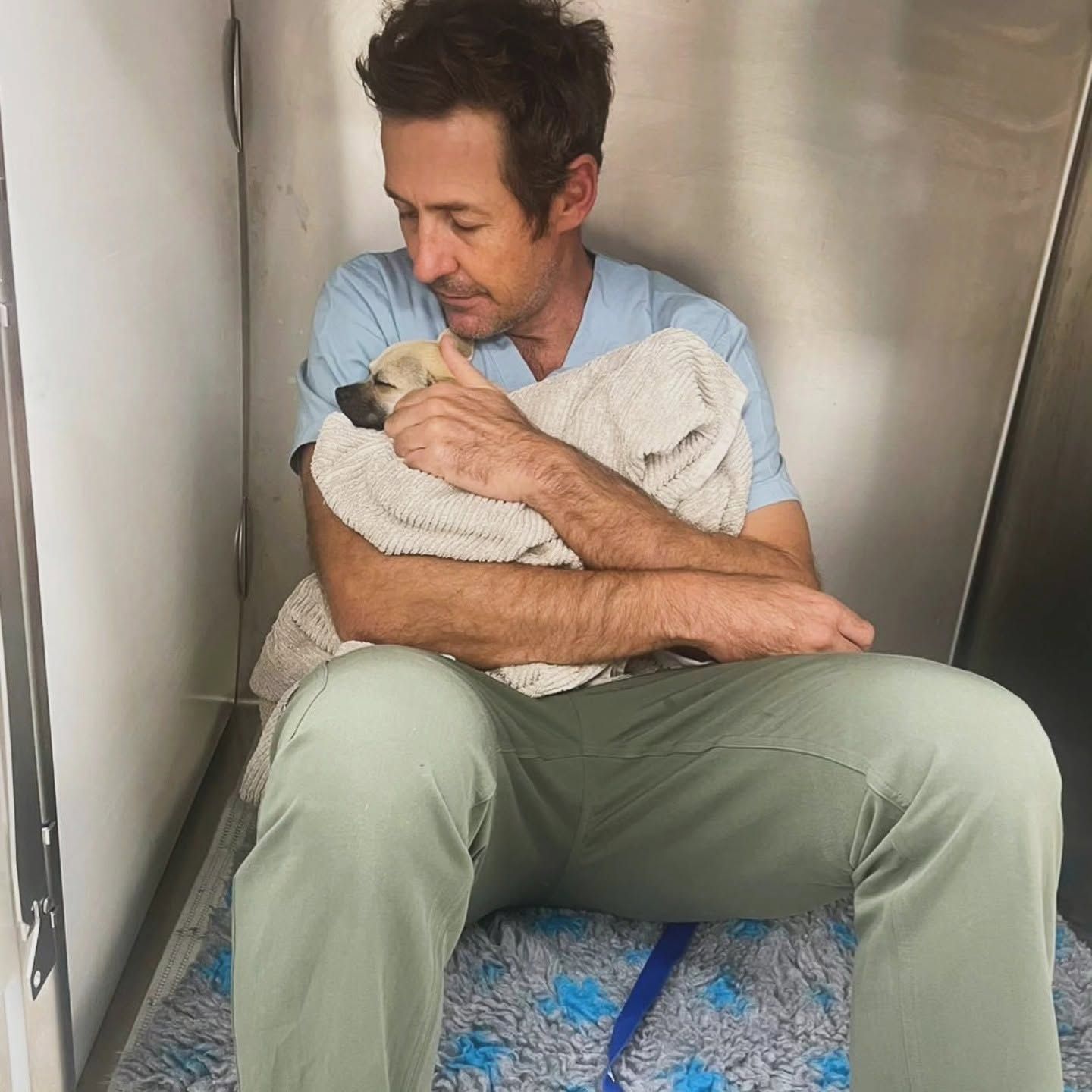
Recovery is just as important as the procedure itself. Once your pet's surgery is complete, they are moved into our post-operative care area where we continue to monitor their vitals, manage pain and keep them as comfortable as possible while they come around from anaesthesia.
Before your pet goes home, we walk you through everything you need to know — wound care, activity restrictions, medications and what signs to watch for in the days that follow. We are available for follow-up questions at any time, and if anything concerns you during the recovery period, we always want to hear from you.
For more complex surgical cases, we schedule dedicated follow-up appointments to check on healing progress and remove sutures where needed.
What Our Customers Say
FAQ
How do I prepare my pet for surgery?
Most surgical procedures require your pet to fast beforehand, typically from the night before. Your vet will give you specific instructions based on the type of surgery and your pet's health status. Make sure your pet has access to water unless told otherwise, and arrange for a quiet, comfortable recovery space at home for after the procedure.
What is involved in desexing a dog or cat?
Desexing is a routine surgical procedure performed under general anaesthesia. For females, it involves removing the ovaries and uterus. For males, the testicles are removed. Most pets go home the same day and recover within one to two weeks. Your vet will advise on the best timing based on your pet's breed, age and health.
How long does it take for a pet to recover from surgery?
Recovery time depends on the type of surgery performed. Routine procedures like desexing typically take one to two weeks for full recovery. More complex surgeries, such as orthopaedic procedures, can require several weeks of restricted activity and careful monitoring. Your vet will provide a detailed recovery plan and let you know what signs to watch for.